

Adjustable Stainless Steel Solar Panel Roof Hook
Drawing-based roof hooks for specified tile-roof mounting assemblies

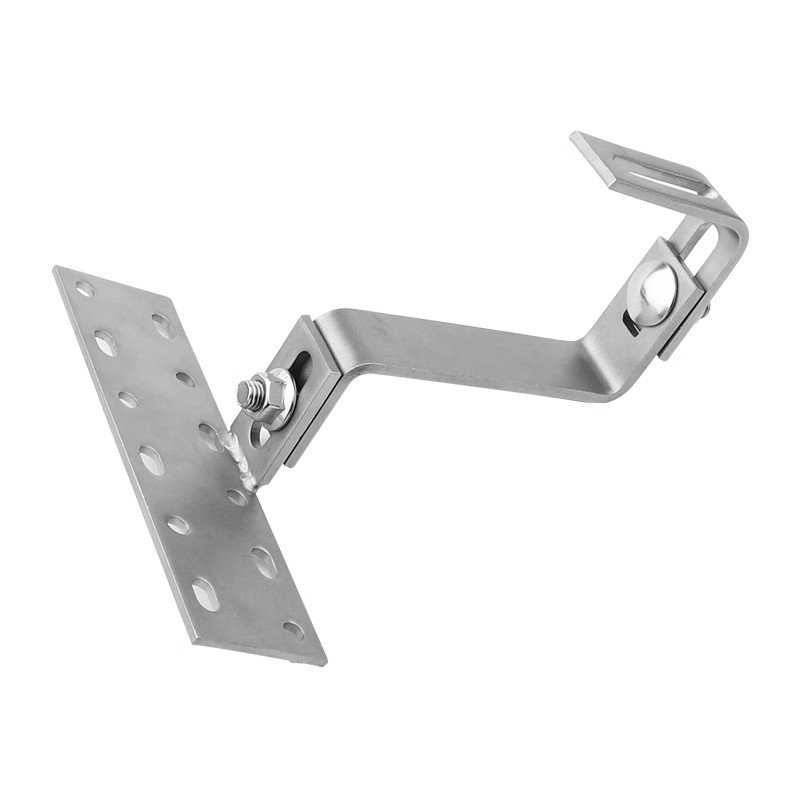
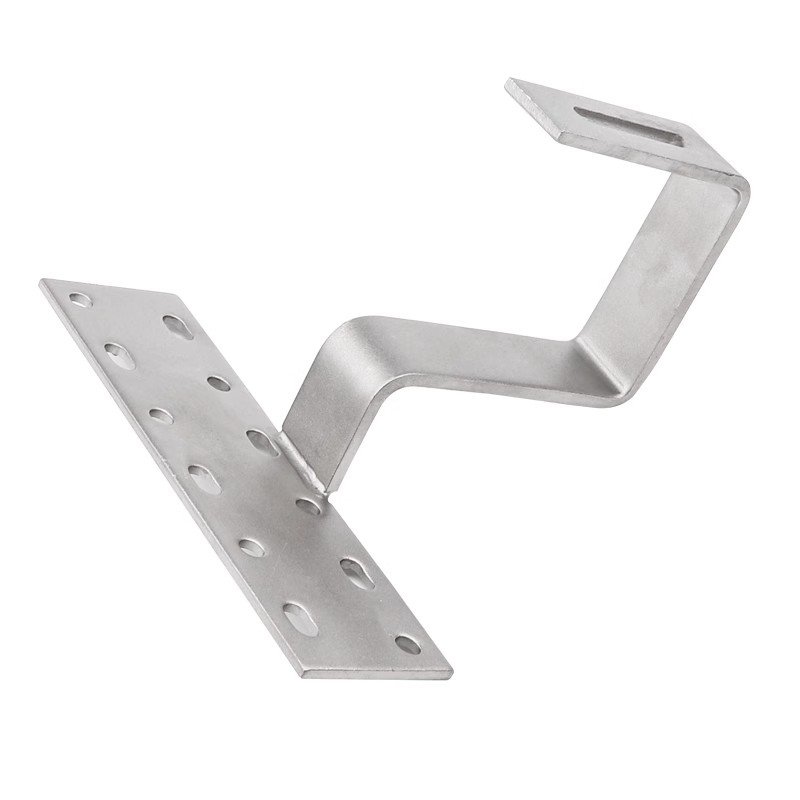
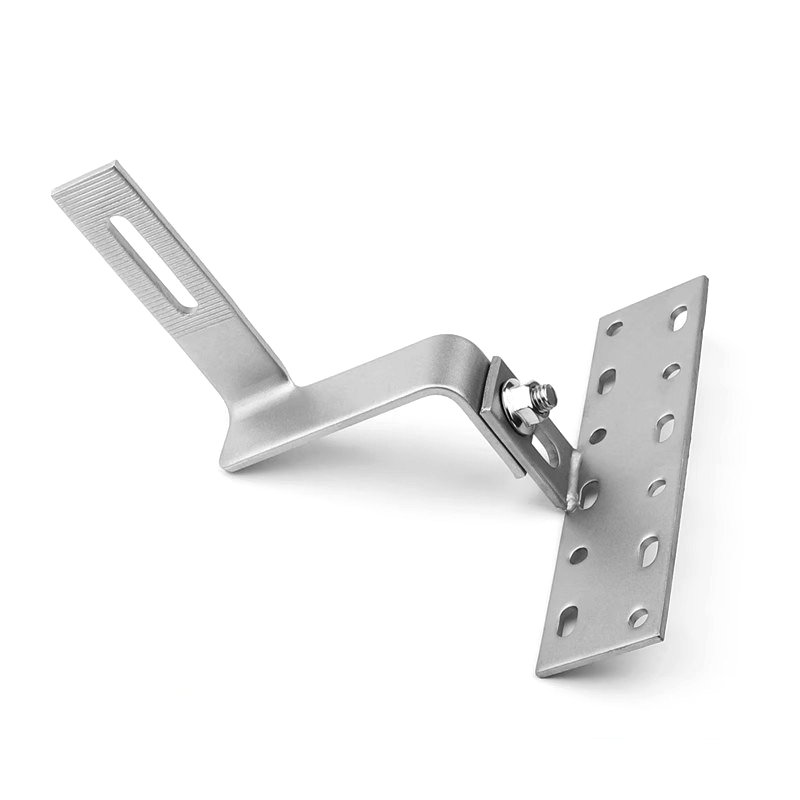
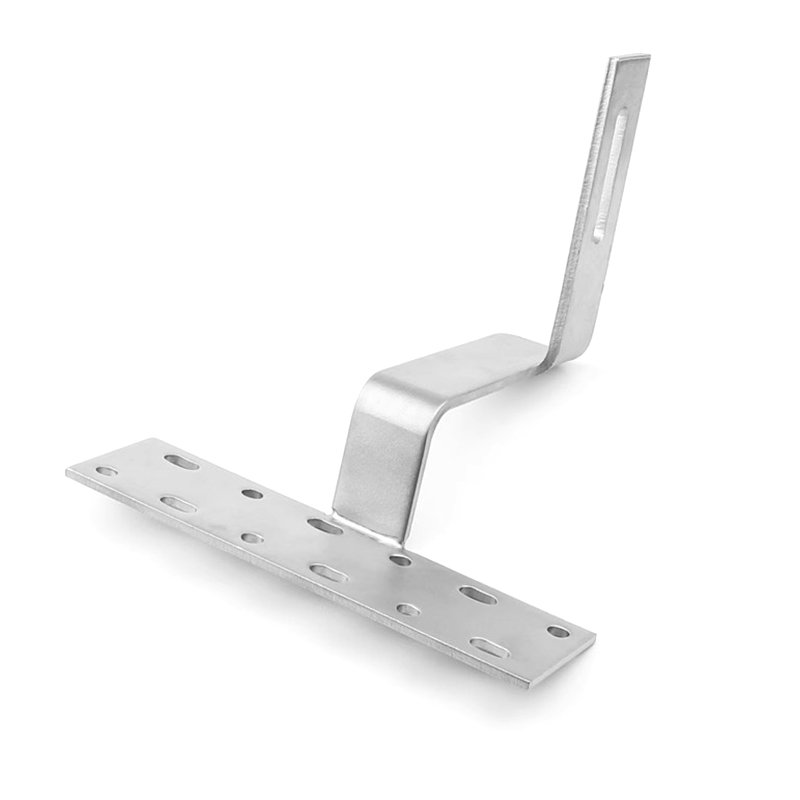
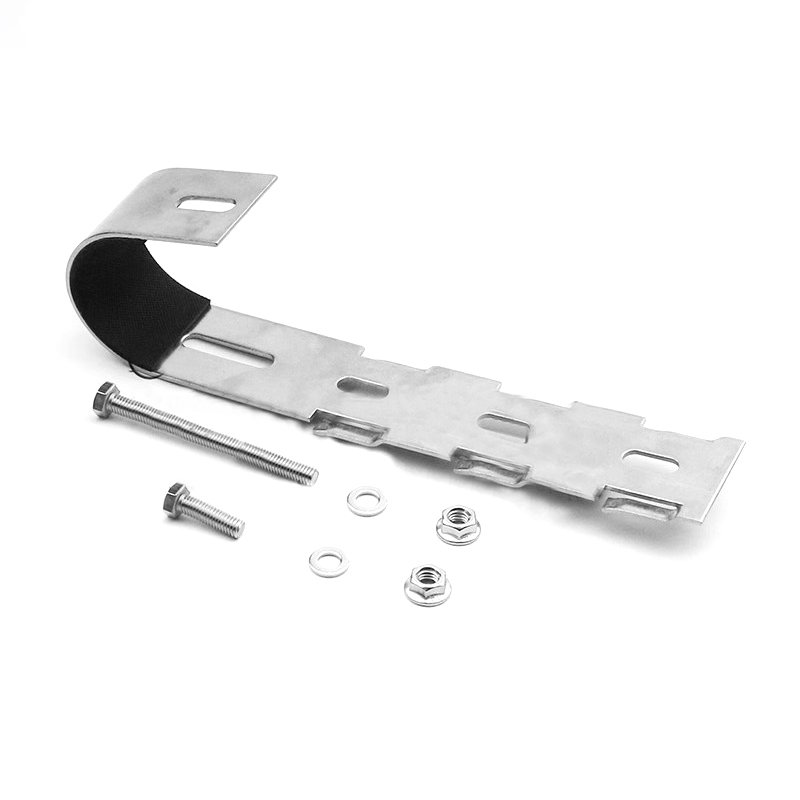
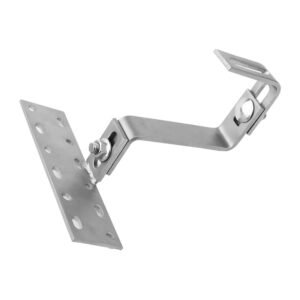
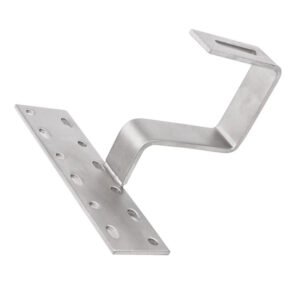
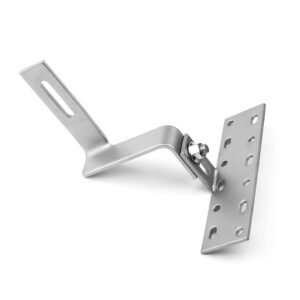
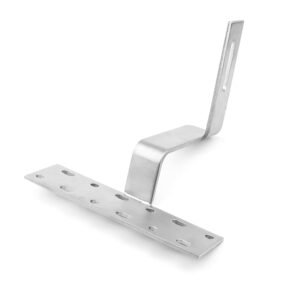
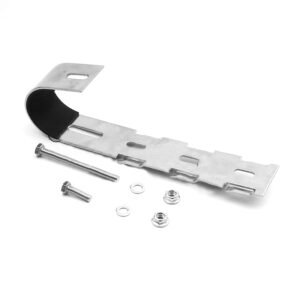
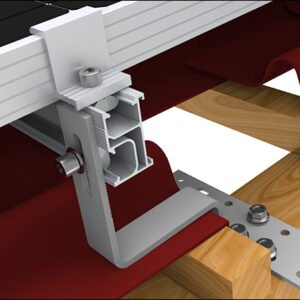
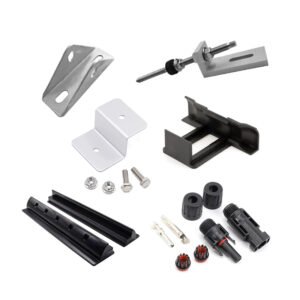
An adjustable stainless steel solar panel roof hook connects specified roof-side and rail interfaces in a tile-roof PV mounting assembly. The pictured hook has a perforated base plate, bent arm and slotted bolted connections. Its base pattern, offset geometry and adjustment features are reviewed against the tile profile, supporting structure and mating rail drawings.
SUS304 stainless steel is the material option specified for this roof hook. Confirm the grade, material condition, thickness and finish in the project specification. SUS316 or coated steel can be reviewed as separate requested material configurations, with their own surface and application requirements.
Hook Geometry and Adjustment
- Base Plate: Define the hole pattern, mounting face and connection to the specified roof-side support.
- Bent Arm: Show the offsets, formed angles and clearances required by the tile and roof assembly.
- Slotted Connections: Specify the slot geometry, required adjustment positions and fastening interfaces.
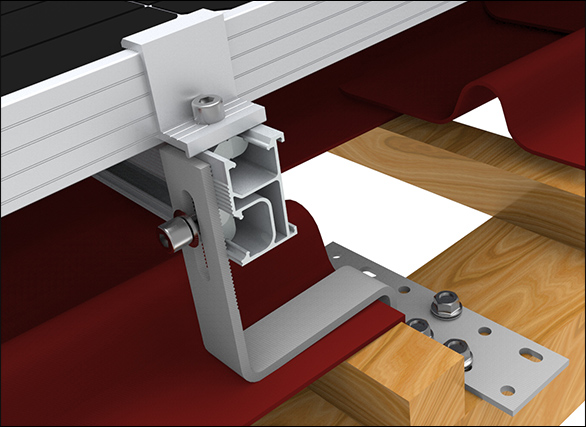
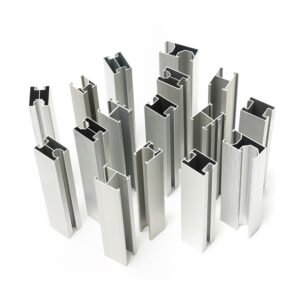
- Rail Interface: Provide the rail profile, mating part dimensions and the required fit.
- Roof Design Inputs: Include tile-clearance, supporting-substrate and waterproofing details from the project design.
The system designer defines the load cases, roof connection requirements and applicable regional project criteria. Include the specified assembly and acceptance requirements with the hook drawing for manufacturing review.
Tolerance & Dimensions
Identify the dimensions that control mounting alignment, arm clearance and adjustment fit. Confirm the following figures for the selected material, part size and forming route, and agree the measurement and inspection conditions.
- Material Thickness Tolerance: ±0.05–0.10 mm
- Hole Position Tolerance: ±0.05 mm
- Slot Adjustment Range Tolerance: ±0.10 mm; specify the slot limits and required adjustment positions
- Angle Tolerance: ±0.5°
- Surface Flatness: ≤0.5 mm
- General Dimensional Tolerance: ±0.05–0.10 mm
Fabrication and Surface Treatment
The material, hook geometry and quantity determine the manufacturing route. It may include:
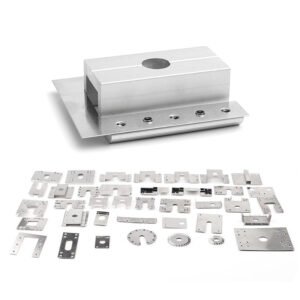
- Laser cutting of specified plate profiles, holes and slots
- Bending and forming of the arm and mounting sections
- CNC drilling, slotting and machining of defined interfaces
- Thread tapping for specified connections
- Welding where a multi-part design requires it
- Pickling and passivation for the specified stainless steel condition
- Deburring, edge finishing and any specified identification marking
- Inspection of agreed dimensions, adjustment features, finish and fit
Any load verification requires an agreed hook, fastener and support assembly, together with the load case and acceptance plan.
Tile-Roof Project Applications
Hook designs can be reviewed for residential or commercial tile-roof PV projects, including specified sloped-roof layouts. The tile geometry, roof-side connection and rail interface are confirmed from project drawings.
Specify Your Roof Hook
Provide the hook and assembly drawings, tile profile, supporting-interface details and rail section. Include the required adjustment positions, material grade, finish, quantity and any prototype or inspection requirements.
Explore our sheet metal fabrication processes or CNC machining processes, then submit your roof hook requirements for review. You can also email eleven@grancen.com.
Reviews
There are no reviews yet.