ISO 9001
Quality management for manufacturing operations

Custom manufacturing · Grancen
Metal and composite components made to your drawings. From process review to manufacturing, finishing and inspection.
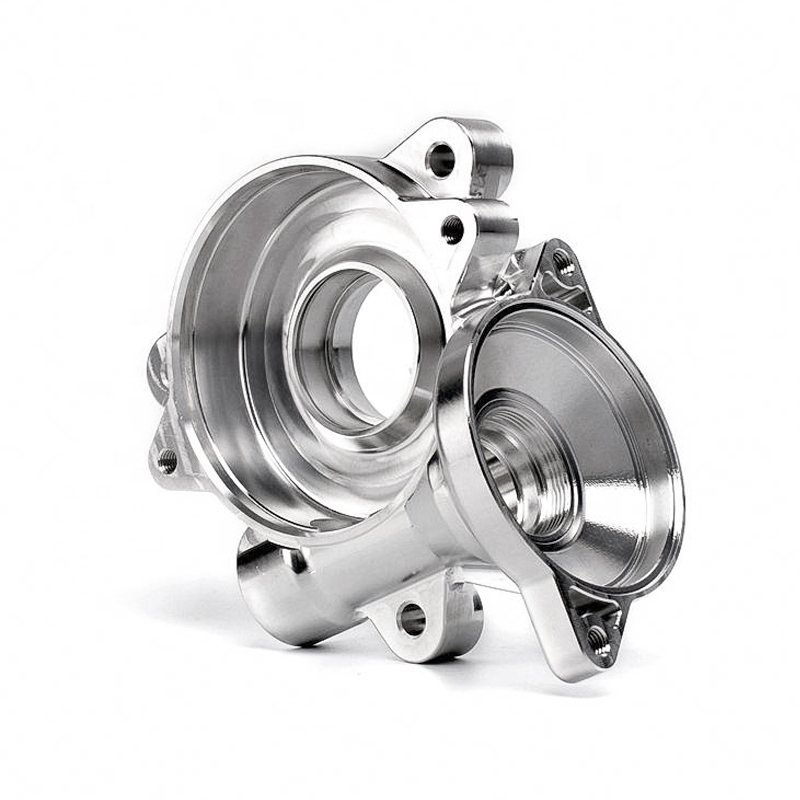
Quality management for manufacturing operations
Automotive quality management for fastener production
For complex component geometry
Carbon-, glass- and aramid-fiber routes
Featured capabilities
The manufacturing route is selected around geometry, material, quantity, finish and inspection requirements—not around a machine label alone.
Core capability
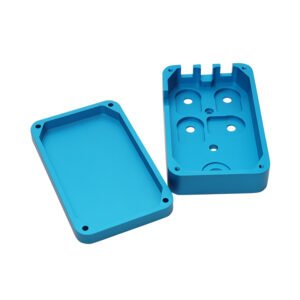
3-, 4- and 5-axis milling, turning, drilling and wire-EDM support for metal and engineering-plastic parts.
Explore CNC Machining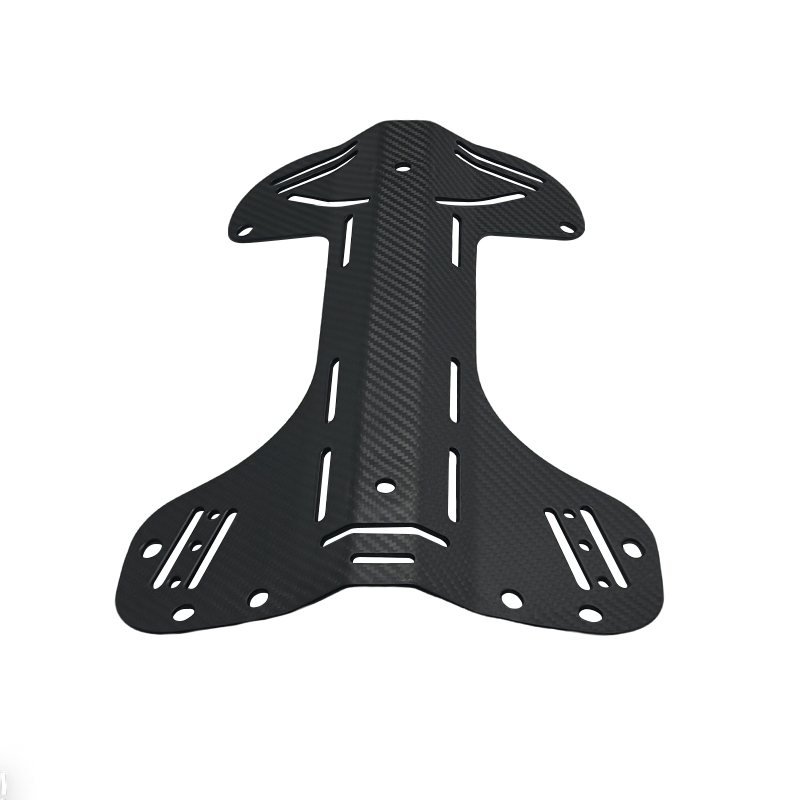
Core capability
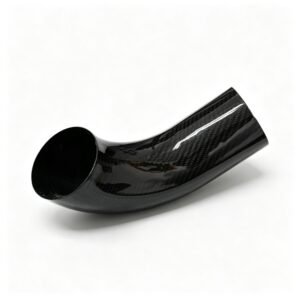
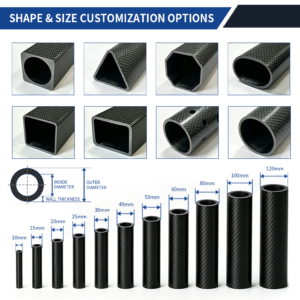
Carbon-fiber, glass-fiber and aramid-fiber parts supported through forming, trimming, machining and finishing.
Explore Carbon FiberBolts, nuts, screws, rivets, pins and related formed parts.
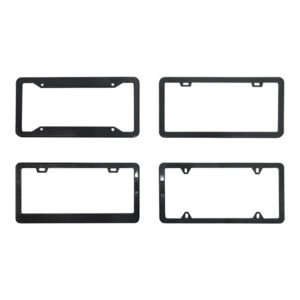
View service →Cutting, punching, bending, forming, stamping and welding.
View service →Complex cast forms with secondary machining and finishing.
View service →Trimming, drilling, finishing, assembly and packaging.
See the process →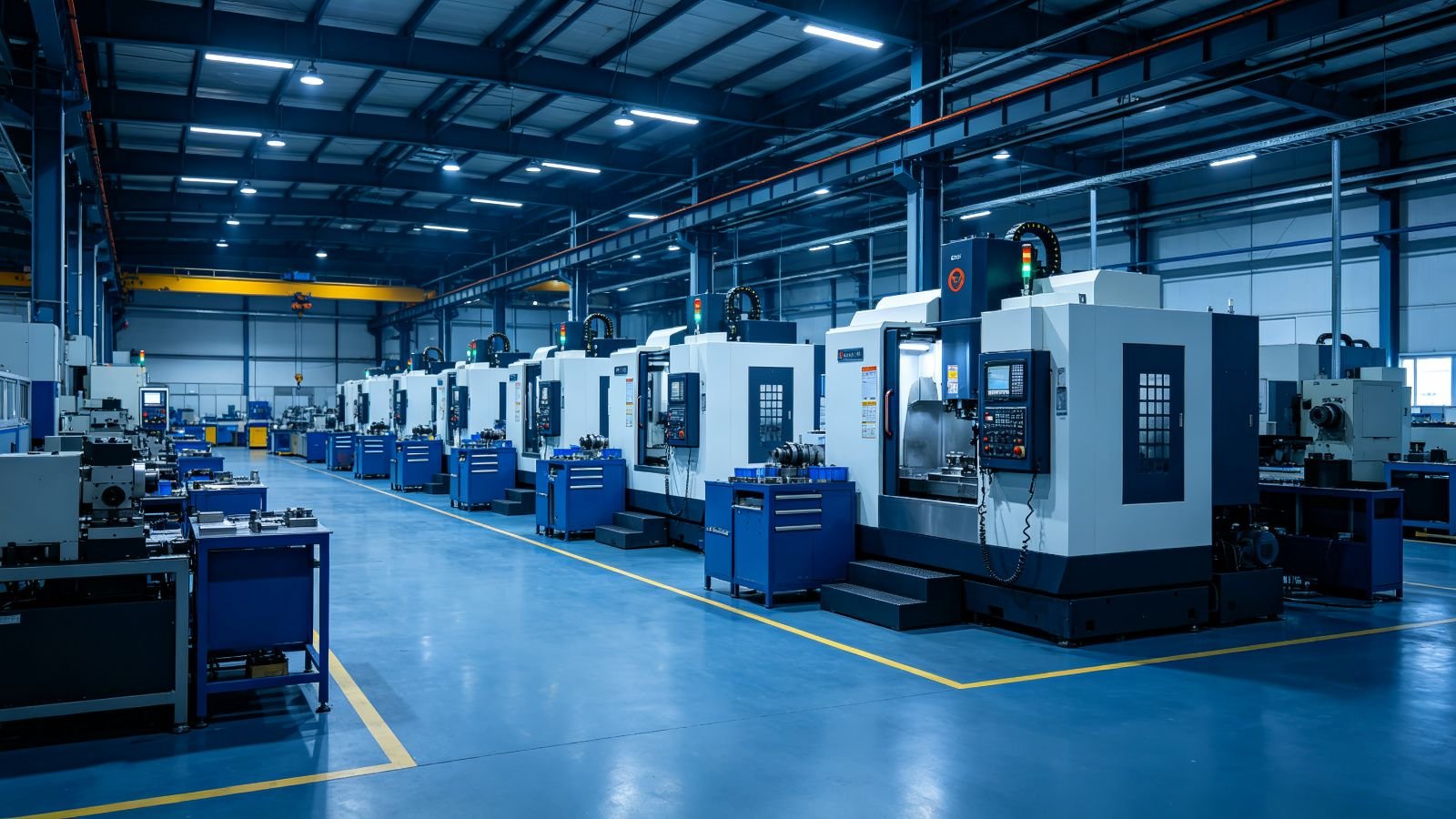
Prototype to production
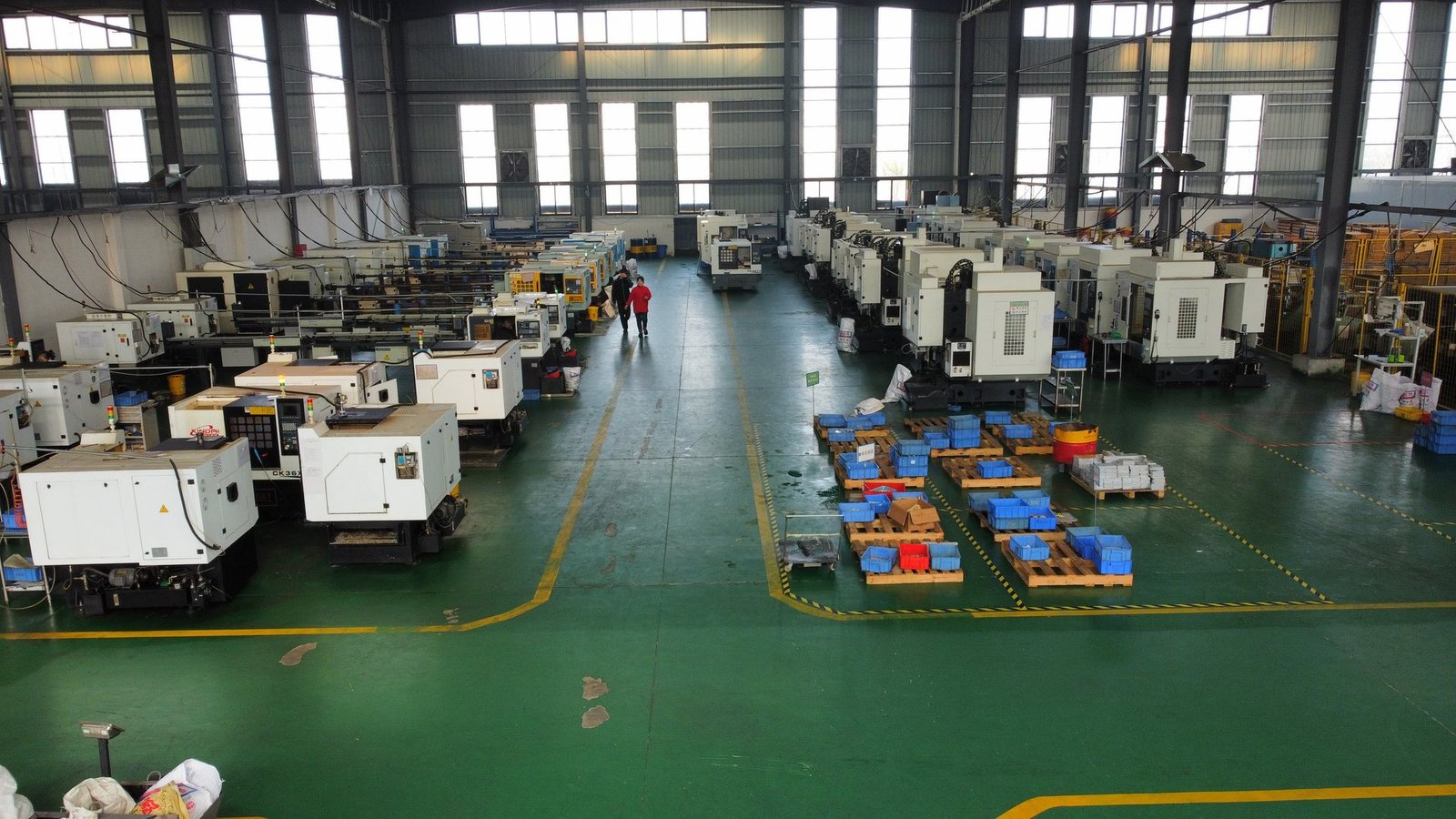
Precision machining, composite forming and supporting metal processes are coordinated so tooling, secondary operations and inspection can be planned around the complete part.
About GrancenOur process
A four-stage workflow from drawing review through production, inspection and delivery.
Share STEP, IGES, SolidWorks, DXF, DWG or PDF plus material, quantity, finish and inspection needs.
Review geometry, interfaces, process route, tooling or mold needs and open points.
Execute the selected route with checks placed around critical features and process risk.
Verify agreed dimensions, tolerances and finish, then protect and coordinate delivery.
Composite process selection
Fiber form, resin introduction, tool structure, compaction source, geometry and production quantity determine the CFRP route.
View Carbon-Fiber Work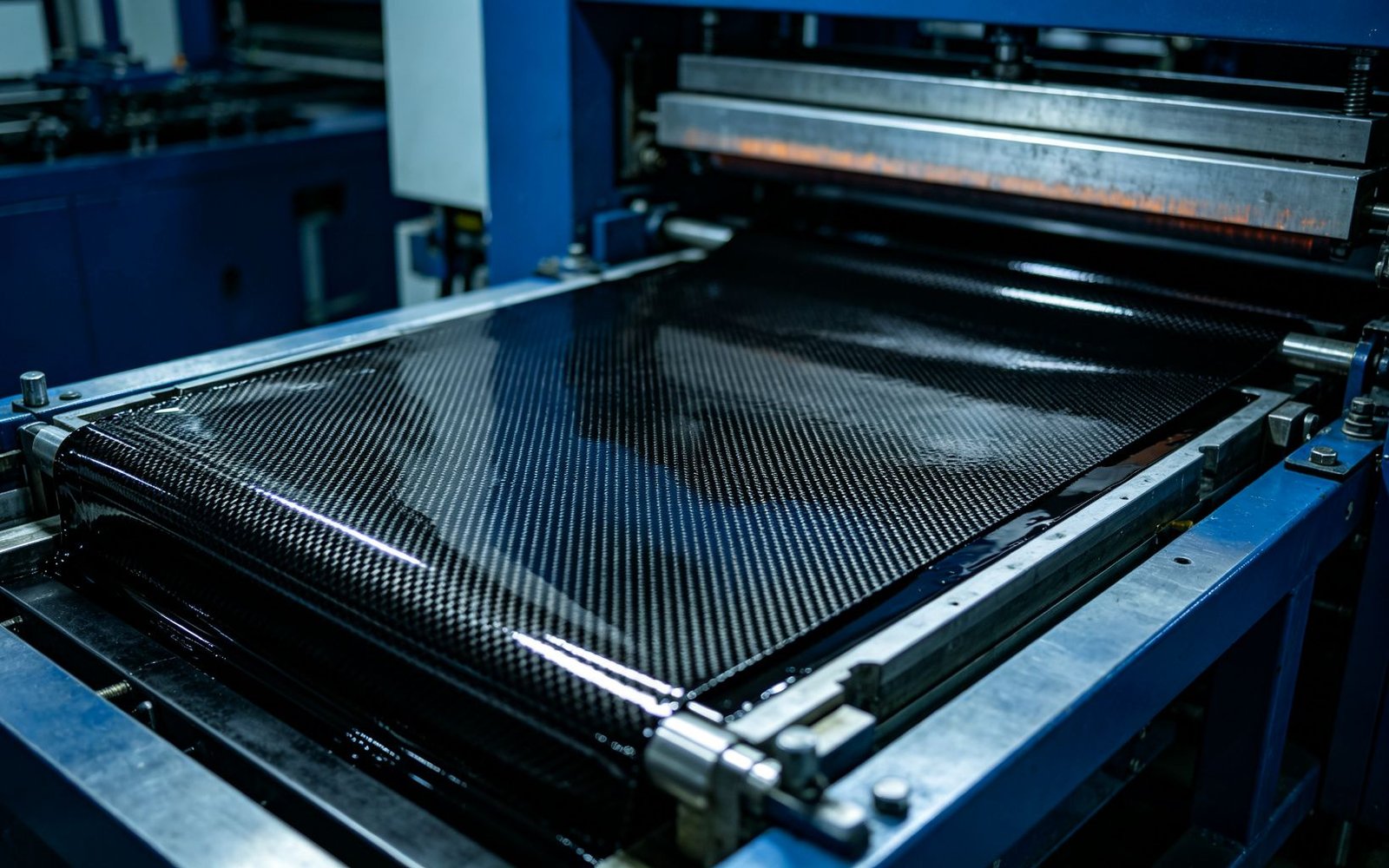
Directional continuous prepreg in matched heated tooling under a controlled press route.
Continuous lay-up sealed under vacuum; an autoclave route adds controlled external pressure.
Non-continuous sheet molding compound flows to form ribs, bosses and 3D geometry.
Quality management
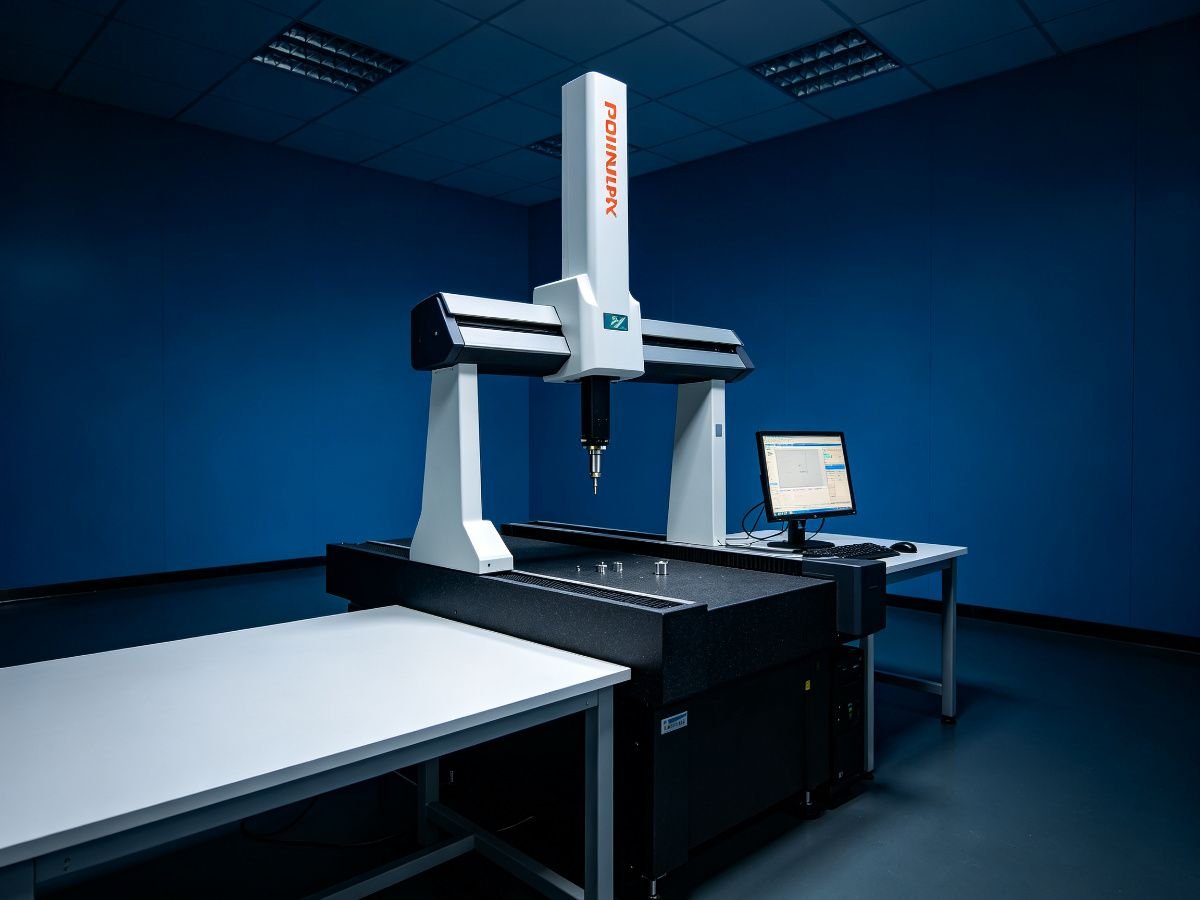
Critical dimensions, tolerances and surface requirements are reviewed with the manufacturing plan. Calipers, micrometers, gauges and CMM are used where applicable.
Material — grade, batch and condition where required.
Process — agreed manufacturing or cure records.
Finished part — dimensional, surface and appearance checks.
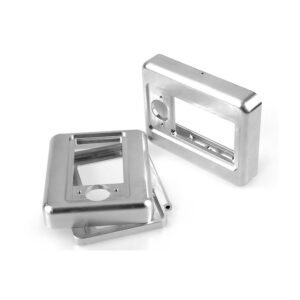
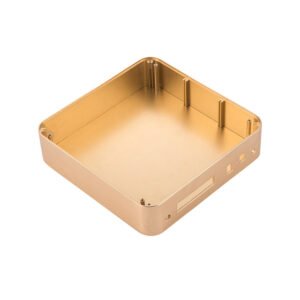
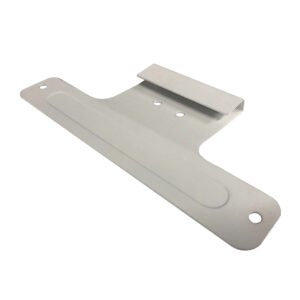
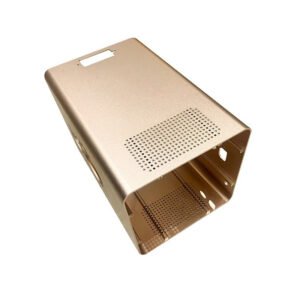
Representative work
Engineering resources
A current overview of milling, turning, drilling, materials and finishing.
Read CNC GuideA current Grancen article on resilience during supply-chain disruption.
Read Supply GuideA concise guide to prepreg compression, vacuum-bag curing and CF-SMC molding.
Compare RoutesFrequently asked questions
Clear inputs at the quotation stage help engineering teams review the process route, inspection scope and open technical points.
Share the available 3D model and controlled 2D drawing together with the material, quantity, finish and inspection requirements. Common review formats include STEP, IGES, SolidWorks, DXF, DWG and PDF.
Current capabilities include CNC machining, composite forming, cold heading and fasteners, sheet metal fabrication, precision casting and related secondary operations. The route is selected around the part requirements.
The manufacturing and inspection route can be planned around prototype, small-batch or production requirements. The exact tooling, process controls and delivery plan are confirmed after drawing review.
Critical dimensions, tolerances, surface requirements and reporting needs are reviewed with the drawing and manufacturing plan. Measurement methods are selected according to the agreed features and project scope.
Start with the drawing
Share the available model or drawing, material, quantity, finish and inspection requirements. Follow-up continues through the existing Grancen inquiry workflow.