


Custom Carbon Fiber Composite Protective Case
Molded equipment cases with drawing-based material, hardware and interior options
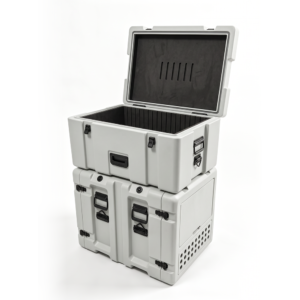
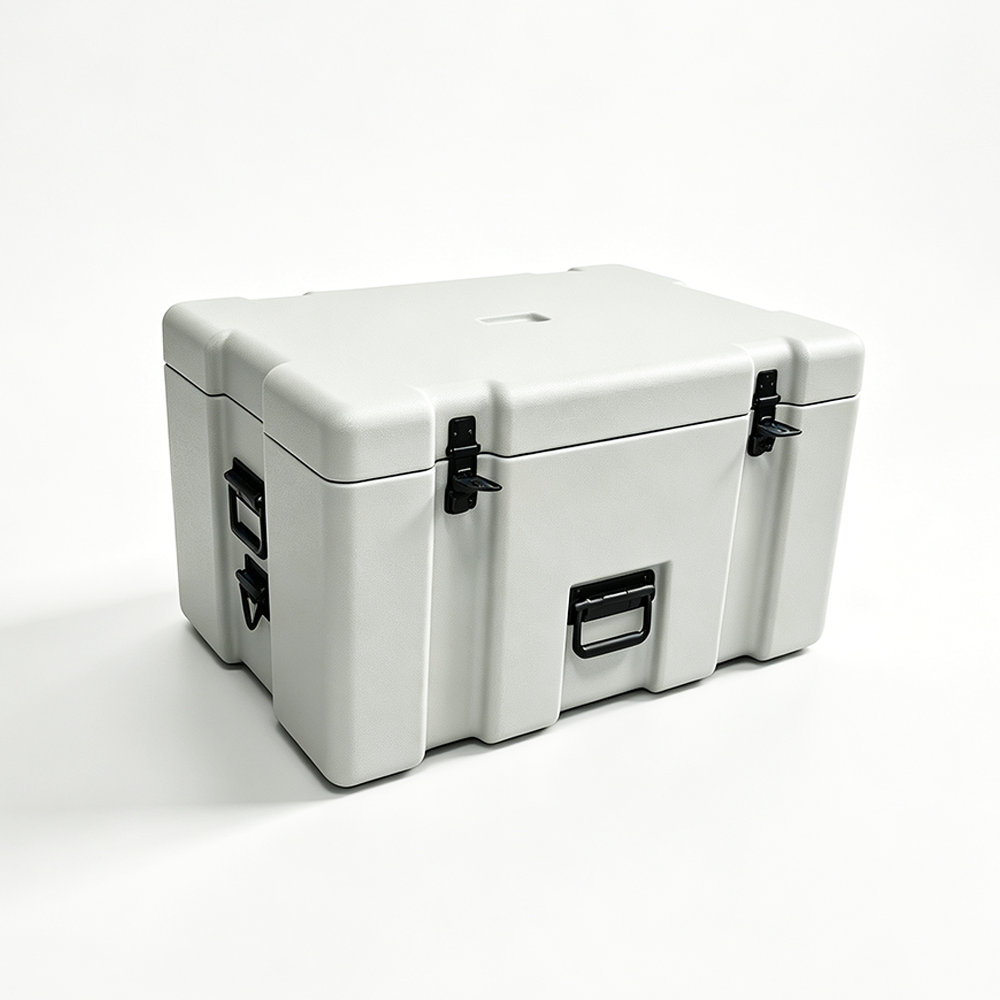
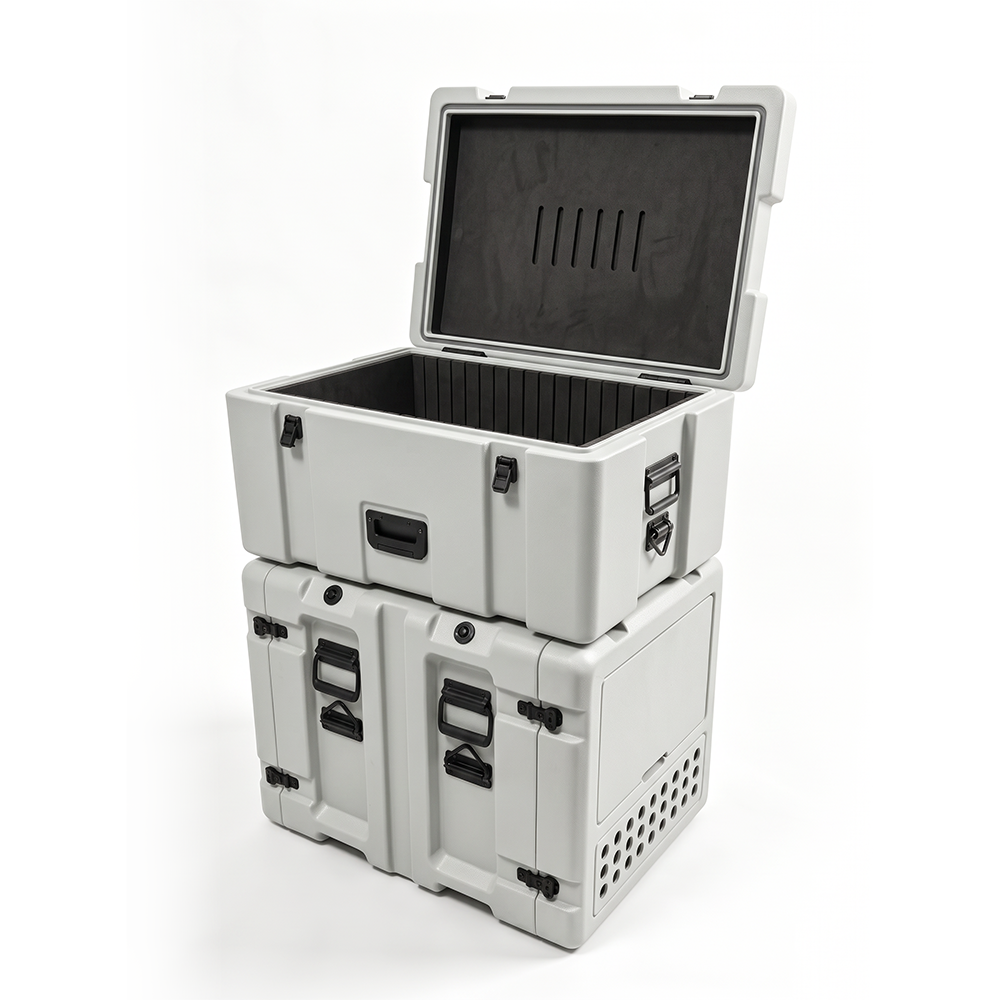
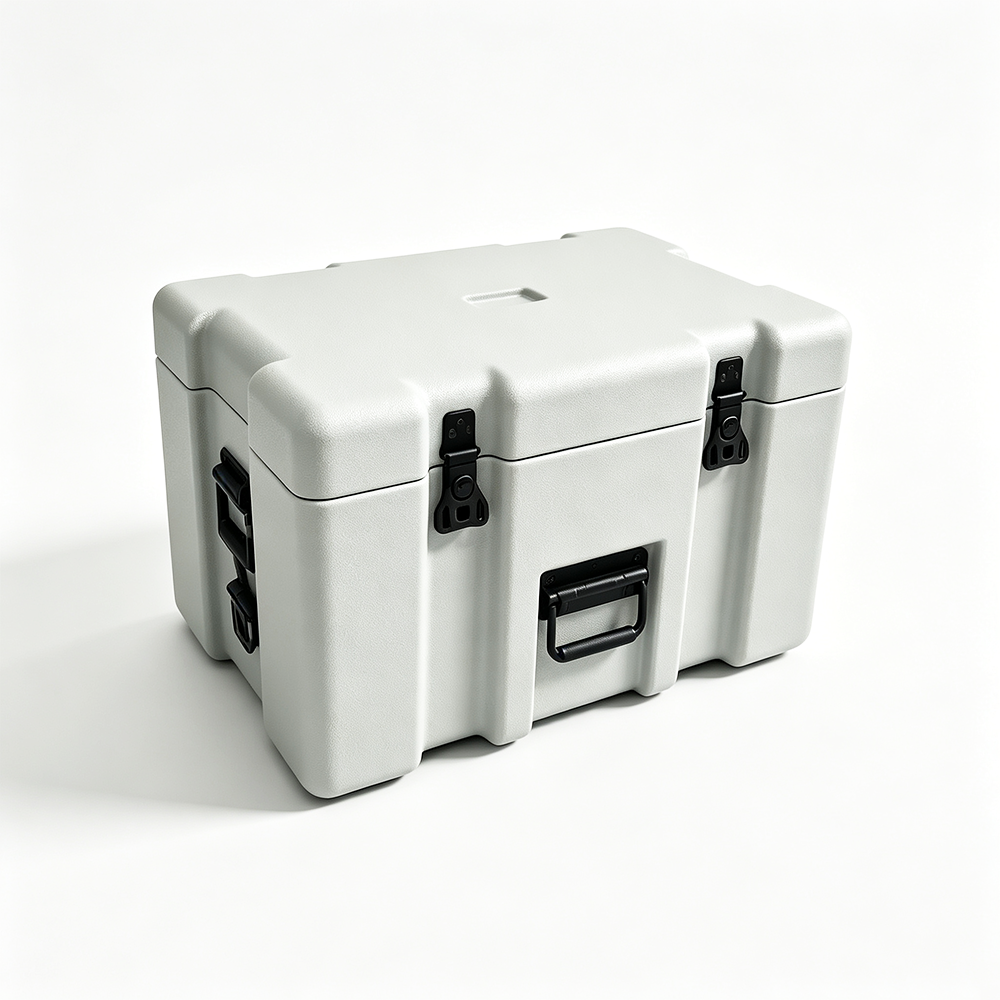
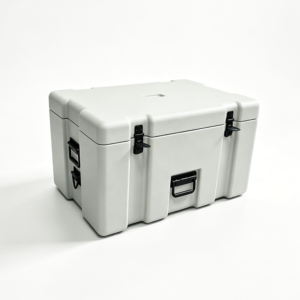
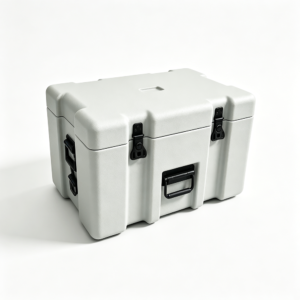
This composite protective case is a molded enclosure for storing, carrying and transporting equipment, instruments and tools. The illustrated design has a ribbed shell, latches and carrying handles. Choose a nominal mold size or provide your drawing to review a custom shell and interior layout.
Material options include carbon fiber composite, fiberglass composite and other specified composite systems. Define the material composition, shell thickness, equipment weight and operating conditions at the quotation stage. Weight, load capacity, impact resistance and sealing performance must be confirmed for the selected construction and complete assembly.
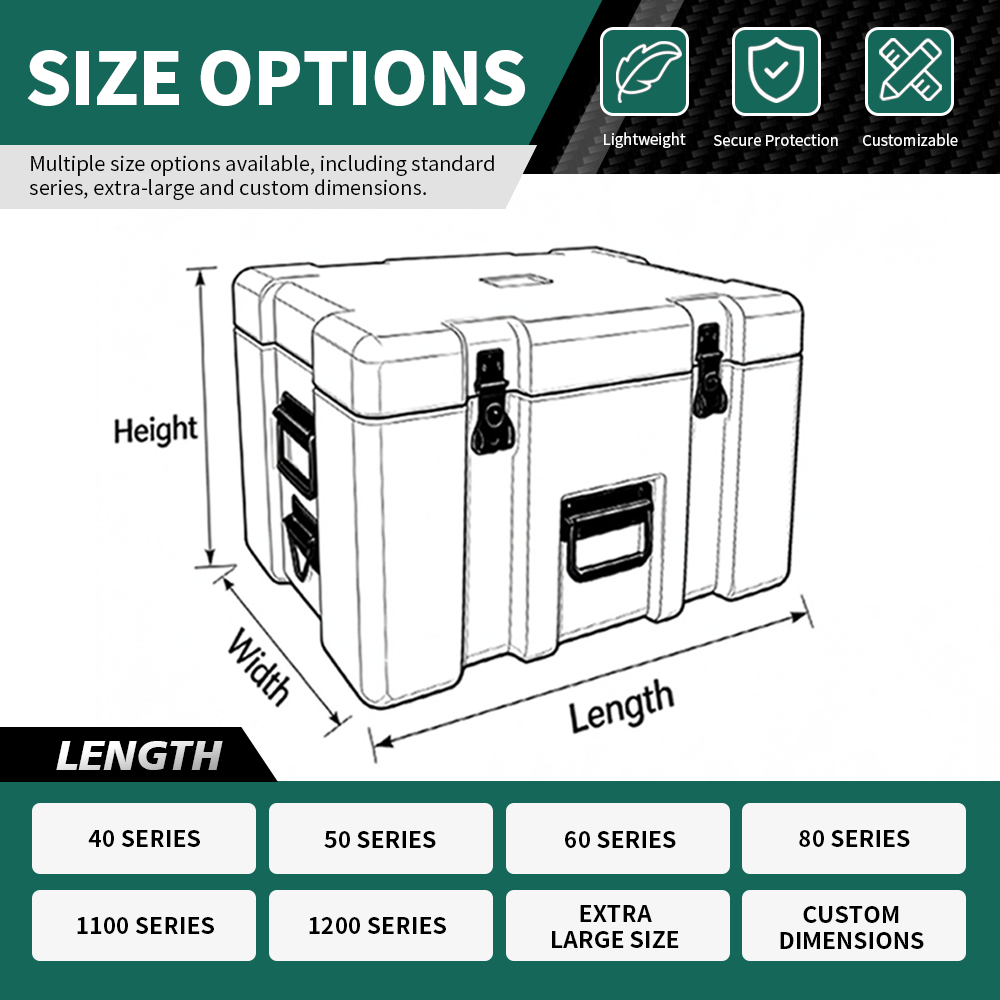
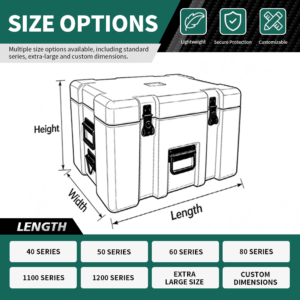
Standard Mold Size Options
The current product specification lists five nominal mold sizes. These are starting points for selection, rather than confirmed internal usable dimensions.
| Model | Nominal Dimensions (L × W × H) |
|---|---|
| Size 1 | 500 × 400 × 300 mm |
| Size 2 | 600 × 400 × 400 mm |
| Size 3 | 800 × 600 × 600 mm |
| Size 4 | 1200 × 800 × 700 mm |
| Size 5 | 1780 × 750 × 620 mm |
Confirm finished external dimensions, internal clearance, wall thickness, tolerances and hardware space before approving the specification. For a different size or geometry, submit drawings or a 3D model for tooling review.
Shell, Hardware and Interior
- Molded Shell: Review ribs, corners, lid fit and wall thickness against the equipment and handling requirements.
- Latches and Handles: Specify the latch, hinge, handle and fastener arrangement, including access and lifting requirements.
- Internal Layout: Foam inserts, compartments and mounting features can be considered around your equipment dimensions.
- Surface Finish: Textured, matte or other specified appearances, subject to the selected material and process.
- Sealing: Define gasket details, ingress-protection targets and any assembly tests required. The illustrations do not establish a tested protection rating.
Manufacturing and Inspection
The route is selected for the material system, geometry and production quantity. It may include:
- Material Preparation: Prepare the specified reinforcement and resin system for the selected forming route.
- Layup and Forming: Review compression molding, vacuum-assisted molding or another suitable route against the shell design.
- Curing and Demolding: Cure and remove the shell from the tooling under the agreed process conditions.
- Trimming and Machining: Finish edges, openings and hardware locations through trimming, drilling and CNC machining where required.
- Finishing and Assembly: Apply the agreed appearance treatment and install the specified hardware and optional interior components.
- Inspection: Check agreed dimensions, finish, lid fit and hardware operation. Additional load, impact or sealing tests require defined methods and acceptance criteria.
Equipment and Application Review
Potential uses include industrial tools and components, electronics, UAV accessories, testing and measurement instruments, portable diagnostic equipment and outdoor equipment storage. Suitability depends on the equipment, transport conditions and agreed specification; no medical, aviation or other application certification is implied.
OEM / ODM Project Requirements
Grancen reviews standard-mold selection and custom tooling requirements for equipment manufacturers, distributors and private-label projects. Prototype, small-batch and production quantities can be discussed with the drawing and material requirements.
- Equipment dimensions, internal clearance and required case size
- Material composition, shell thickness and reinforcement requirements
- Handles, hinges, locks, latches and mounting positions
- Foam inserts, compartments and cushioning layout
- Surface finish, branding and quantity
- Required load, handling, environmental and inspection criteria
Explore our composite manufacturing processes, or discuss your protective case project with a drawing, 3D model or reference dimensions. You can also email eleven@grancen.com.
Reviews
There are no reviews yet.