
A dependable custom manufacturing program starts before the first machine cycle. Drawing review, process planning, production control, inspection and packaging all need to follow the same agreed requirements.
This guide explains how Grancen moves a custom CNC machining project from the initial inquiry to delivery coordination. The exact route is adjusted to the part geometry, material, quantity, finish and inspection scope.
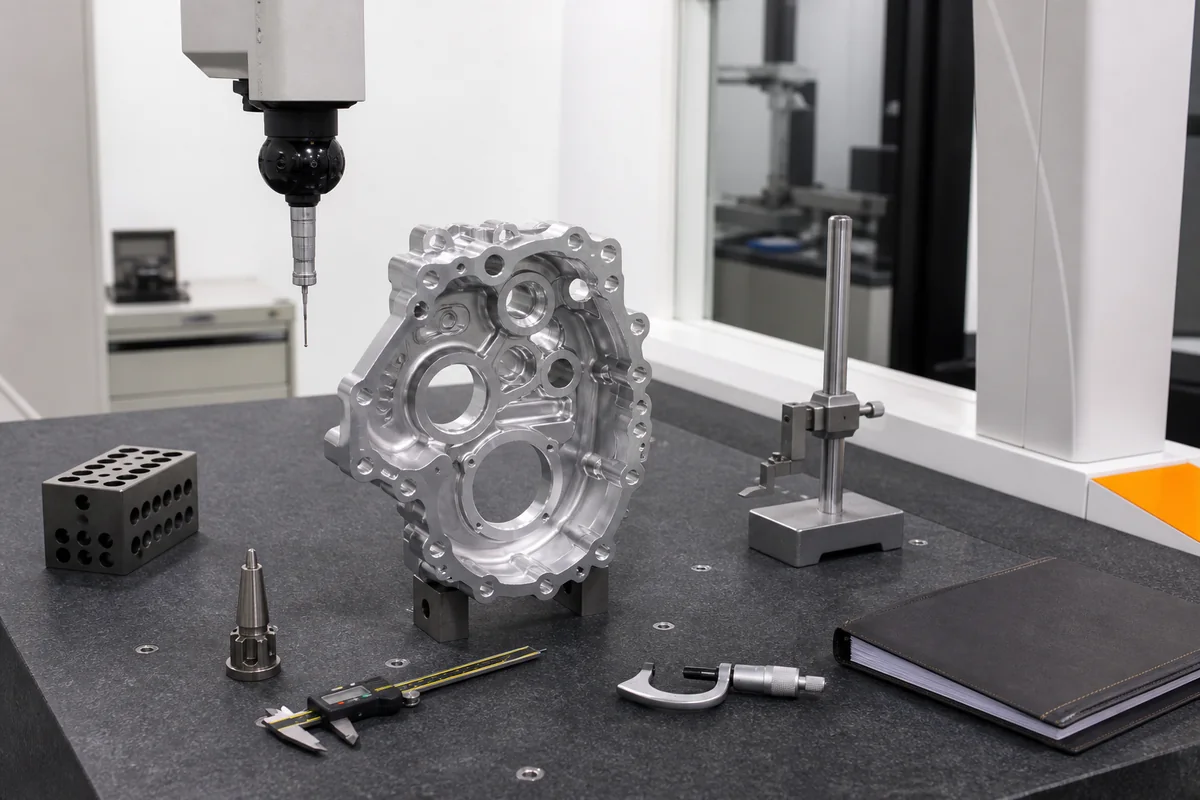
The CNC Manufacturing Process at a Glance
- Inquiry and drawing submission — collect the files and technical requirements.
- Engineering review and quotation — assess manufacturability, process options and open points.
- Order confirmation and planning — agree the production, quality and delivery scope.
- Machining and process control — manufacture the parts to the approved drawing and plan.
- Quality inspection — verify the agreed dimensions, tolerances and finish.
- Packaging and delivery coordination — protect the parts and prepare the approved shipment method.
1. Inquiry and Drawing Submission
The process begins with the information that defines the part. Customers can share 2D drawings, 3D models and a concise requirement list through the existing Grancen inquiry workflow.
Useful submission details include:
- Part drawing or 3D model
- Material grade and condition
- Required quantity or production stage
- Surface finish, coating or appearance requirements
- Critical tolerances and inspection requirements
- Assembly interfaces, packaging notes and target delivery information
Common review formats include STEP, IGES, SolidWorks, DXF, DWG and PDF. Providing both a 3D model and a controlled 2D drawing helps distinguish nominal geometry from tolerances, threads, finishes and inspection notes.
2. Engineering Review and Quotation
Engineering review connects the drawing to a practical manufacturing route. The team evaluates geometry, material behavior, tool access, datum strategy, tolerance feasibility, secondary operations and inspection needs.
If an open feature may affect cost, quality or repeatability, it should be clarified before production. Design-for-manufacturing feedback can address issues such as inaccessible corners, unnecessary depth, thin walls, tolerance stacking or a finish that conflicts with the selected material.
The quotation is then prepared around the confirmed scope, including the selected process, material, quantity, finish, inspection requirements and delivery assumptions. For a broader overview of available machining routes, see Grancen CNC machining capabilities and the guide to what CNC machining is.
3. Order Confirmation and Production Planning
After the quotation and technical scope are approved, the project moves into production planning. The controlled drawing revision, quantity, material, finish, inspection points and delivery method should all match the confirmed order.
Planning may include material preparation, workholding, tooling, CNC programming, machining sequence, outsourced finishing, inspection stages and packaging requirements. Prototype and repeat-production projects may use different controls because the main risks and evidence needs are not always the same.
4. CNC Machining and In-Process Control
Parts are manufactured according to the approved drawing and route using suitable milling, turning, drilling, wire-EDM or multi-axis operations. Process choice depends on part geometry and requirements rather than on a machine label alone.
In-process controls are placed around the features that carry the most technical risk. These controls may include setup verification, tool checks, first-piece measurement, staged dimensional checks and review before a secondary operation.
When a program includes more than conventional metal machining, Grancen can coordinate related routes such as carbon-fiber component manufacturing, cold heading and forging support, sheet-metal fabrication and precision casting.
5. Quality Inspection
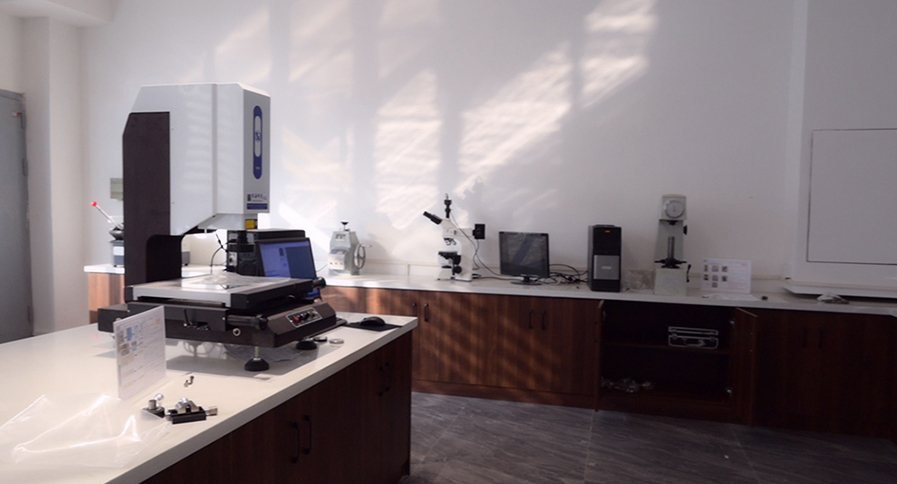
Final inspection is performed against the agreed drawing and quality scope. The method should match the feature being verified and the level of evidence required for the project.
Depending on the part, inspection may use calipers, micrometers, gauges and coordinate measuring equipment where applicable. Material identification, critical dimensions, tolerances, surface finish and appearance are reviewed as specified.
6. Packaging and Delivery Coordination
After acceptance, parts are cleaned as appropriate, protected and packaged for the approved shipment method. Packaging should consider part weight, exposed cosmetic surfaces, sharp features, corrosion risk and the possibility of movement during transport.
Delivery coordination follows the confirmed order and logistics arrangement. Shipment information and any required documents are prepared according to the agreed project scope.
How to Prepare a Clear CNC Machining RFQ
A concise RFQ reduces avoidable clarification and helps engineering review begin with the right information. Before submitting a project, check that the package identifies:
- The latest drawing revision and matching 3D model
- Material, quantity and production stage
- Critical dimensions and tolerances
- Threads, inserts, surface finish and appearance requirements
- Inspection records or certificates required for the project
- Packaging and delivery expectations
Start With the Drawing
Share the available drawing or model, material, quantity, finish and inspection requirements for engineering review.
Learn more about Grancen Precision Manufacturing or browse additional manufacturing resources.